CPR stands for cardiopulmonary resuscitation and is the method used to give someone a better chance of survival after they experience cardiac arrest. It’s essential to understand the guidelines for performing this procedure, no matter where you are located.
What is CPR?
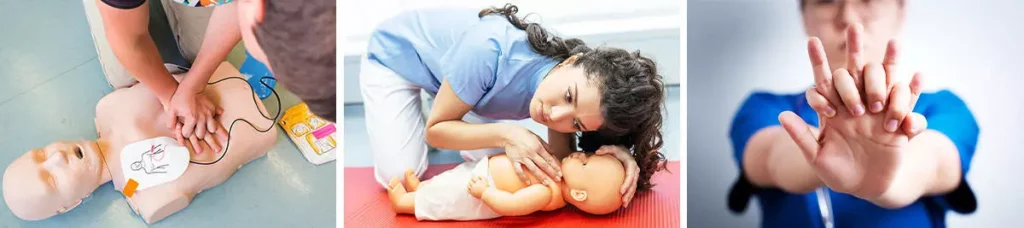
Cardiopulmonary resuscitation (CPR) is a potentially lifesaving procedure performed by manually oxygenating and pumping the casualty’s blood to preserve brain function.

How to perform CPR
Shout for help while gently shaking the person to check if they are responsive and breathing normally.
If they are unresponsive or not breathing normally, call 999. Put the phone on speaker so you can listen and talk while performing CPR.
Start chest compressions. If possible, ensure the casualty is on a firm, flat surface before beginning.
If you are trained, after 30 compressions, give two rescue breaths before continuing with the chest compressions.
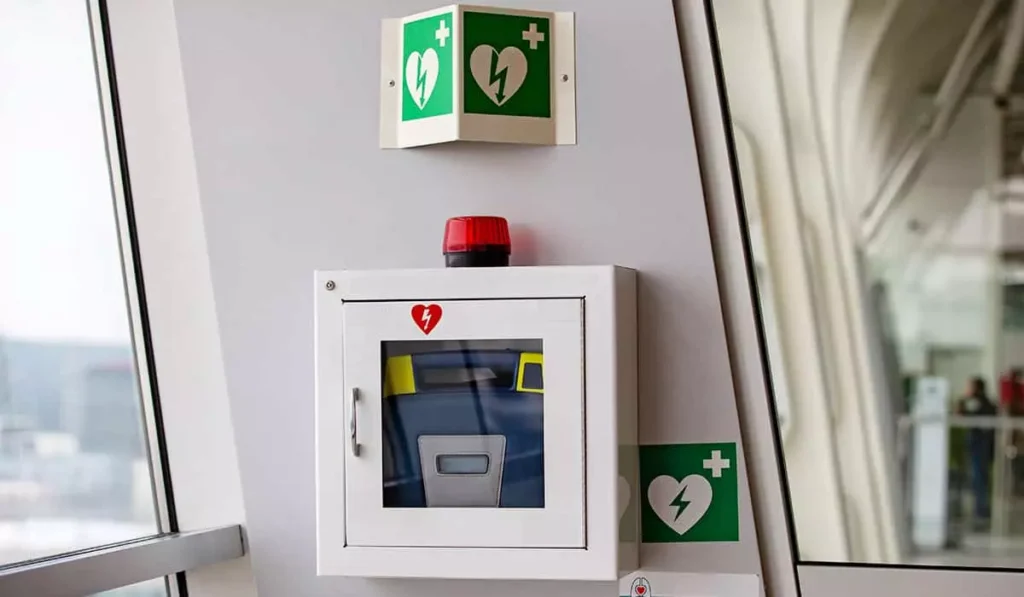
If an AED (Automated External Defibrillator) is nearby, ask someone to retrieve it for you—do not leave the casualty yourself. Once it arrives, follow the AED’s instructions.
Continue performing CPR until:
- Emergency services arrive.
- The AED instructs you to stop.
- You are unable to continue due to exhaustion.
- You are in immediate danger.
- The person starts breathing normally.
What are CPR laws in the UK?
Currently, there are no specific laws governing CPR in the UK.
However, there is a “duty of care” that applies even if you are not a healthcare professional. If you attempt to assist someone who has collapsed, it is important to offer as much help as you can. Once you begin administering CPR, stopping could make you liable for a lawsuit.
You would only be legally responsible for prosecution if the person filing the lawsuit could prove that they would have been better off without your intervention, which is very unlikely.

CPR Guidelines in the UK
According to the Resuscitation Council UK, there are specific guidelines to follow when providing adult basic life support.
- Begin CPR on anyone who is unresponsive with absent or abnormal breathing.
- If the person is breathing slowly and laboured, treat it as a sign of cardiac arrest.
- Immediately alert emergency services and leave the phone on speaker, either by calling 999 yourself or having a bystander make the call.
- Start chest compressions immediately.
- Perform CPR on a firm, flat surface when possible.
- Compress the chest 5-6cm.
- Perform 30 compressions at a rate of 100-120 per minute.
- Do not lean on the chest – allow it to rise after each compression.
- Only perform rescue breaths if trained.
- Deliver 2 breaths after every 30 compressions.
- Do not take longer than 10 seconds between compressions.
Guidelines for AEDs in the UK
An AED (automated external defibrillator) is a device that delivers shocks to a casualty who has suffered a cardiac arrest. While there is no legal obligation for places to have an AED on their premises, many locations do provide access to one.
Here are some key guidelines for using an AED in conjunction with CPR:
- Switch the AED on as soon as it becomes available.
- Follow the instructions to attach the pads to the person’s bare chest.
- If multiple people are present, continue CPR while setting up the AED.
- Ensure that no one is touching the person when the AED is analyzing or delivering a shock.
- Immediately resume CPR after a shock has been administered.
For more information on AEDs and the legalities around them, you can explore these blogs:
- Automated External Defibrillators (AEDs) and the Law
- CPR & AEDs: The Importance of Training
Additionally, we offer a training course specifically on AEDs.
Why is it important to know CPR and the guidelines around it?
CPR can be the difference between life and death for someone. Brain cells begin to shut down if they are deprived of oxygen for too long (generally around 4-6 minutes). By maintaining the flow of oxygen to the brain until emergency services arrive, you increase the chances of that person surviving.
Knowing the guidelines surrounding CPR, especially if you are trained to perform it, is crucial. It demonstrates your understanding of the procedure, ensuring that no mistakes are made while caring for a casualty and reducing the risk of causing further harm.